From the Eiffel Tower to sun-drenched vineyards, France road trip routes offer an incredible variety of sights in one journey. This guide covers everything you need: why France draws millions of visitors, whether driving across the country is practical (and what it costs), who benefits most from a road trip, and tips on timing, destinations, and staying connected.
Table of Contents
- Why France captivates travelers
- France by Road: Feasibility and Cost
- Who Should Travel Around France by Car
- Seasonal Guide: Best Time for a Road Trip South of France
- Top Stops on a Classic France Road Trip Route
- Transportation Options for Road Travel in France
- Travel Tip: Staying Connected with an eSIM France Plan
- Staying Connected with Airhub eSIM
- Mark Your France Road Trip Today!
- FAQs
Why France Captivates Travelers
France is one of the world’s top destinations, expected to receive over 100 million visitors in 2024. It’s easy to see why. Paris alone boasts UNESCO-listed Seine riverbanks filled with landmarks like the Eiffel Tower, the Louvre, Notre-Dame, and more. Beyond the big city, a mosaic of experiences awaits: snow-capped Alps, lavender fields, Renaissance châteaux, romantic countryside, and world-renowned cuisine and wine. This rich cultural and natural variety is perfect for a self-drive tour; you can roll from city sights to quaint villages without missing a beat.
France by Road: Feasibility and Cost
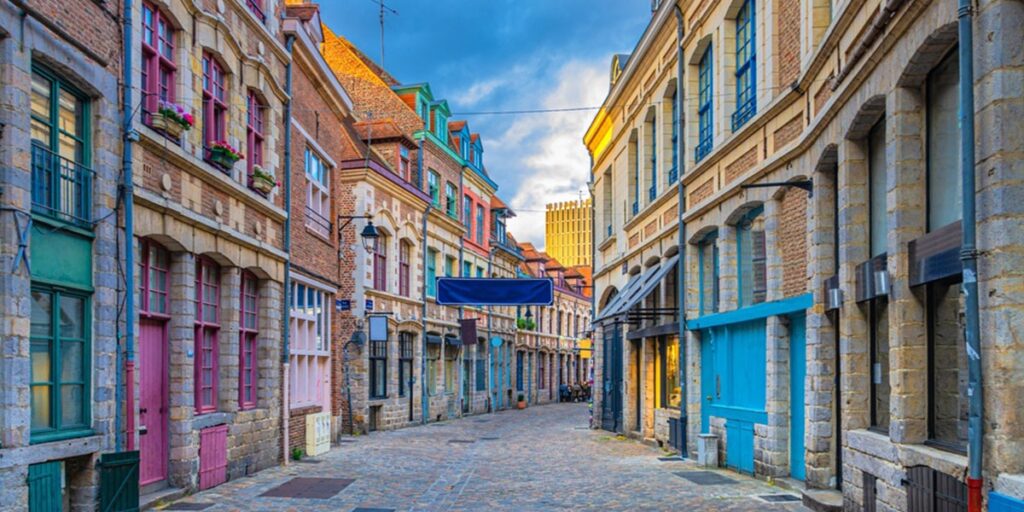
You can explore France by car; the country has an excellent road network and signage. Major highways (autoroutes) crisscross France, but most of them are toll roads. Driving through an autoroute is fast and convenient, though each toll can range roughly €10–€50 per passage for a standard car. You can avoid some tolls by taking secondary roads, but that usually means slower travel times and winding routes. The cost of a French road trip can add up, but it’s manageable with planning.
Who Should Travel Around France by Car
Many people feel confused about whether they are ready for a France road trip or not. Here are the people who should take up this opportunity without thinking twice:
- Europe-based travelers: If you live in Europe (say, Germany, the UK, or Italy), a trip to France is easily done by car. Many Europeans hop the ferry or tunnel and make a road trip to Paris or beyond each year, since distances are short.
- International visitors: For those coming from the US, Canada, Australia, or Asia, flying into a major hub (Paris, Nice, Lyon) and picking up a rental car makes sense. Instead of staying in just the city, these travelers often extend their stay by road.
- Local explorers: Of course, French residents love road trips too. Families or friends might drive north to Normandy’s coast or south to the Riviera for a weekend. Locals appreciate that road travel in France lets them tour regions (like the wine country or Alps) without fighting train schedules.
Seasonal Guide: Best Time for a Road Trip South of France
Considering the weather is very important if you are on a road trip in France:
- Spring (April–June): Often ideal. Flowers are blooming and temperatures range from pleasantly cool to warm. Tourist crowds are lighter, and you can enjoy outdoor activities like hiking or cycling before the summer heat.
- Summer (July–August): Peak season brings reliably sunny weather and festivals, especially along the Riviera and in Provence. Expect hot weather (often 30–38°C inland) and crowded attractions. The Mediterranean coast is busy with holidaymakers.
- Fall (September–October): Like spring, fall is a shoulder season with mild weather and fewer tourists. Vineyards are busy with harvest, and autumn colors add charm to roadsides. This can be a perfect time for wine regions and countryside drives.
- Winter (November–March): Off-peak rates and quiet towns can make winter tempting. Major cities (Paris, Nice, Lyon) are still accessible and pretty at Christmas, but some rural attractions or mountain roads may be chilly or closed due to snow.
Top Stops on a Classic France Road Trip Route
If you are going on the France road trip for the first time, here are the places that you can explore:
- Paris: Virtually every itinerary starts or ends in the capital. Don’t miss the Seine’s UNESCO-listed riverbanks, where landmarks like the Eiffel Tower, Louvre, Notre-Dame, and Grand Palais create that famous skyline.
- Loire Valley: Famous for its châteaux and gentle river landscapes. Towns like Blois, Tours, and Saumur invite exploration. Pull off to visit any fairy-tale château you fancy, and don’t miss a wine tasting in this wine-friendly region.
- Normandy: This historic region offers a mix of coast and culture. The jewel is Mont-Saint-Michel, the magical tidal island abbey that UNESCO notes is visited by over 3 million people each year.
- Bordeaux & Southwest: For wine lovers, no road trip is complete without Bordeaux and its vineyards. The city itself (the “Port de la Lune”) is a UNESCO site for its elegant 18th-century architecture and centuries-old wine trade.
- Provence & Côte d’Azur: Lavender fields (especially in July around Sault) and olive groves define Provence. Montpellier, Avignon (Papal Palace), and Aix-en-Provence are cultural highlights. Heading further south, the French Riviera offers glamorous beach towns: Nice, Cannes, Menton, and the dramatic Calanques near Cassis.
Transportation Options for Road Travel in France
If you have developed your itinerary for a road trip, here are the transportation options you have:
- Rental Car: This is the most straightforward choice. All major airports and cities have rental agencies (manual vs automatic, diesel vs petrol options). Remember to budget for fuel and tolls. If driving an electric vehicle, France has extensive charging networks on highways and in cities now.
- Campervan/RV: France is very camper-friendly. Hundreds of campsites dot the country, and many families travel by motorhome. A campervan lets you sleep where you park and move your “hotel” each day.
- Trains & Buses: France’s trains (TGV and regional) are excellent between major cities. Some travelers mix modes: taking a train to skip long hauls, then renting a car locally. Night buses are also an option.
Travel Tip: Staying Connected with an eSIM France Plan
If you are on a road trip to France, making sure that you have strong connectivity is very important. That’s when the eSIM prepaid plan comes in. It has network coverage in every big or small corner of France. All you have to do is search for a reliable eSIM provider online and purchase a plan according to your needs. It will make sure that you do not lose connectivity throughout your trip.
Staying Connected with Airhub eSIM
Thinking of how to find a reliable eSIM provider? Airhub’s eSIM Europe service is built for travelers; it offers coverage in 190+ countries and very flexible data packages. You can load up a short 7-day plan for your French itinerary, or a longer EU plan if you’ll drive beyond France. With Airhub’s eSIM Europe, there’s no fumbling for SIM cards or costly roaming, just reliable internet anywhere in France and Europe.
Mark Your France Road Trip Today!
A France road trip is an unforgettable way to experience the country’s highlights and hidden corners on your own schedule. With careful planning, choosing the right season, mapping your route, and budgeting for gas and tolls, you can make the most of every mile. Remember to pack a good map (or GPS!) and perhaps an eSIM to stay connected. Hit the road with confidence: France’s varied landscapes, from city boulevards to coastal cliffs, will reward you at every turn. Your next adventure awaits!
FAQs
1. Which France road trip route is ideal for a first-time traveler?
If you have never been to France, you can take the classic route, which includes Paris, the Loire Valley, Provence, and the French Riviera in the end. All of these places are connected and have famous sights.
2. How many days should I plan for a France road trip through several regions?
A road trip in France will at least take ten days, and to make sure you are being flexible, you need a grace time of four days. In total, plan for at least fourteen days for a road trip in France.
3. What is the best month for a France road trip with good weather?
Late spring or early fall are the two seasons that are best for a French road trip, as it is less crowded and have pleasant weather.
4. What are some hidden gem stops on a France road trip besides Paris and Nice?
There are many places that are hidden gems on a France road trip. You can explore the medieval town of Carcassonne, the half-timbered houses of Annecy, and the dramatic cliffs at Étretat (Normandy).
5. What are the best scenic drives in France for nature lovers?
If you want to get stunned by natural beauty, you must try the Route Napoléon (Nice to Grenoble) or the Col du Galibier for spectacular mountain passes.
Leave a Reply