Surprising fun facts about Costa Rica — a country with no army, 5% of the planet’s species, near-total green power, a longevity Blue Zone, and streets with no names.
Half of what’s true about Costa Rica sounds invented. A country roughly the size of West Virginia disbanded its army, runs almost entirely on rivers and volcanoes, squeezes a twentieth of Earth’s species into a strip of land you can drive across in a day and still lands near the top of the world’s happiness rankings. None of that is a marketing line; it’s just the place. Here are twelve fun facts about Costa Rica worth knowing before you go, the sort that click into focus the first time you’re standing in a cloud forest and a howler monkey starts up somewhere overhead.
Costa Rica Quick Facts
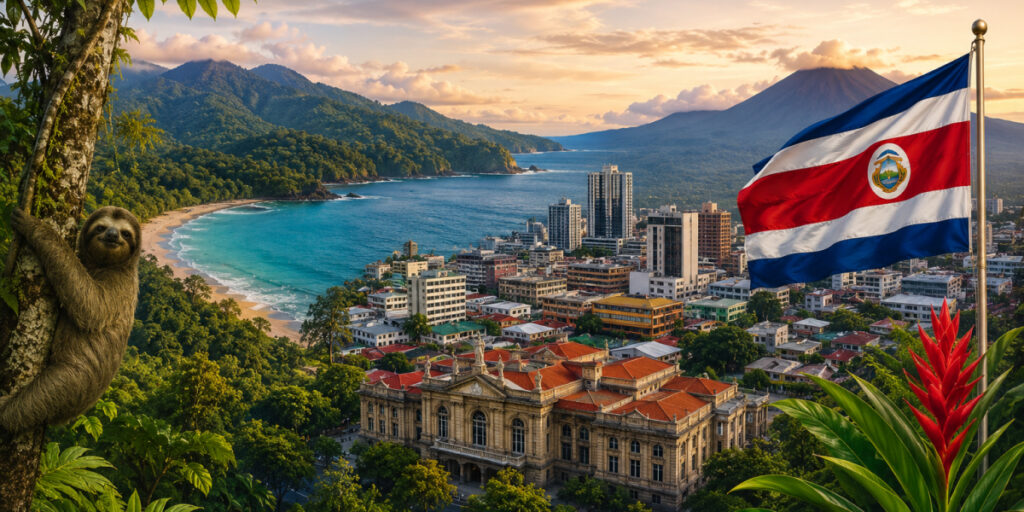
Costa Rica covers about 51,100 km² and is home to roughly 5 million people. San José is the capital, Spanish is the official language (English is widely spoken around the tourist trail), and the currency is the Costa Rican colón. The name means “rich coast” a hopeful label from early Spanish explorers who came looking for gold they mostly never found. With the basics covered, here’s where it gets interesting.
1. It Has No Army
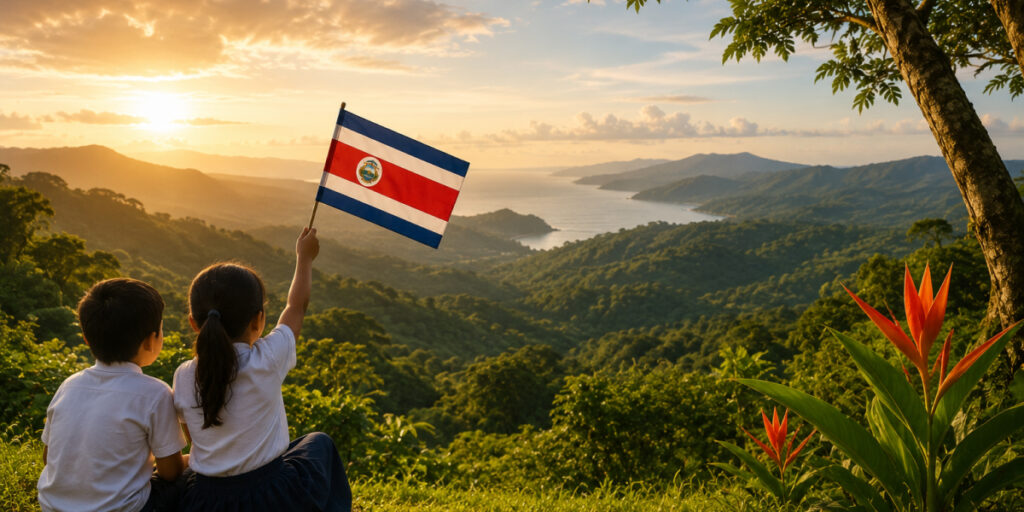
Costa Rica famously fields no standing military. After a short but bloody civil war in 1948, President José Figueres abolished the armed forces and pushed the money into education, healthcare, and conservation instead the budget that would have gone to soldiers went to schools and hospitals. Costa Ricans widely credit that single decision for their high literacy and universal healthcare, and the country still marks December 1 as Army Abolition Day.
2. A Twentieth of Earth’s Species Live Here
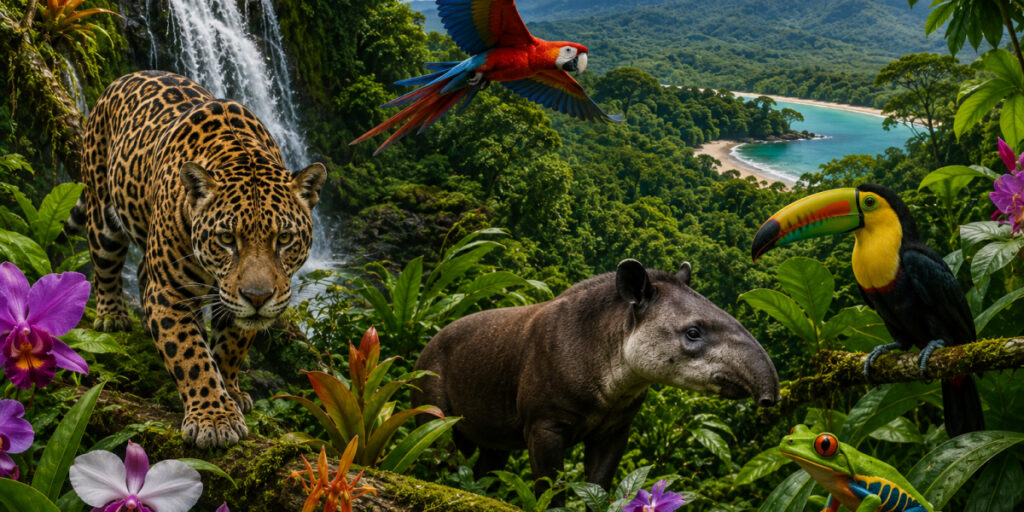
Here’s the one that stops people: Costa Rica occupies just 0.03% of the planet’s land, yet shelters around 5% of all its species something like half a million of them. For a country you can cross in an afternoon, that’s absurd. Jaguars, tapirs, hundreds of orchids, and thousands of birds, butterflies, and amphibians, all crammed into forests, coastlines, and cloud-wrapped mountains.
3. Over a Quarter of the Country Is Protected
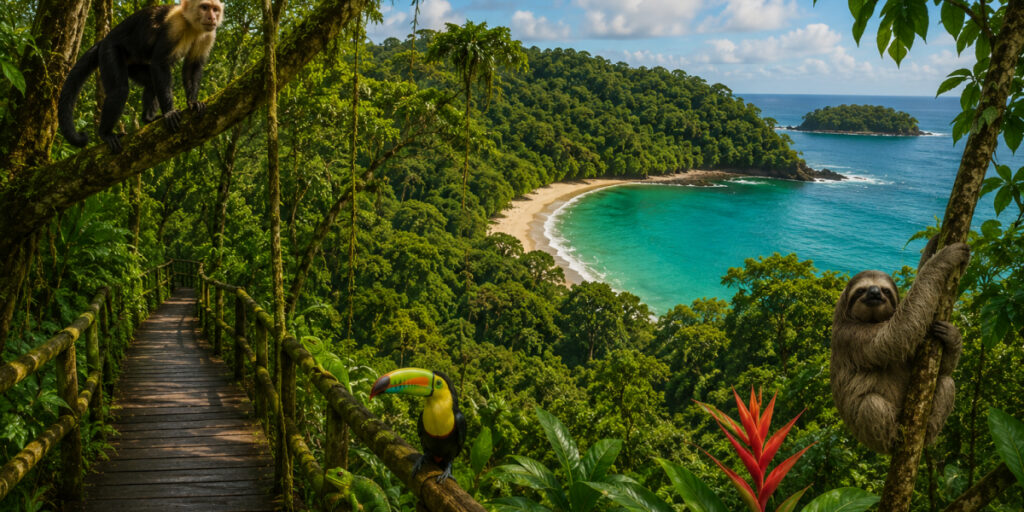
More than 25% of Costa Rica’s land sits inside national parks, reserves, and wildlife refuges one of the highest shares of any country on Earth. Manuel Antonio, one of the smallest parks at around 16 km², still packs in monkeys, sloths, and well over a hundred bird species. That protection is the reason the wildlife here is something you see, not just read about.
4. Two Oceans, One Small Country
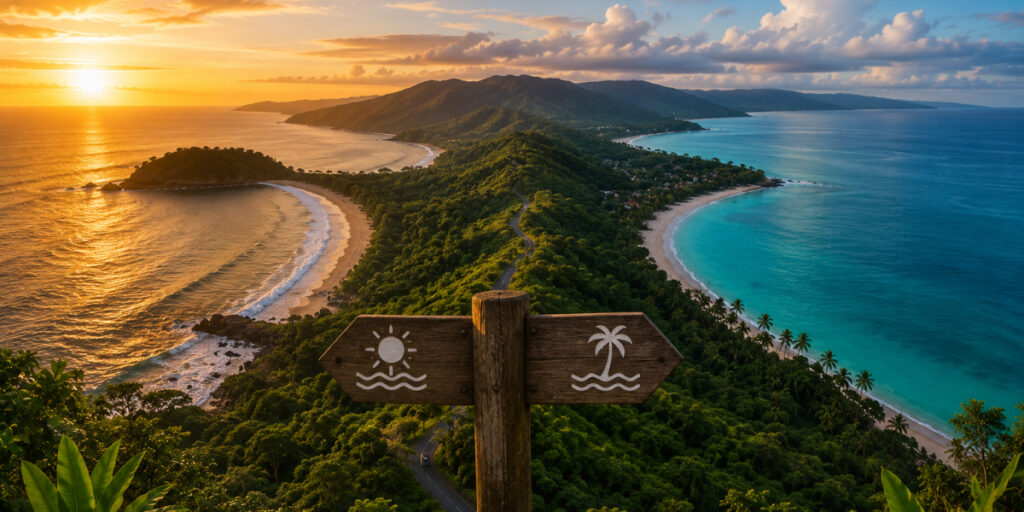
Costa Rica is one of the few countries with a foot in two seas the Pacific to the west, the Caribbean to the east. It’s narrow enough that, in theory, you could catch sunrise over the Caribbean and eat dinner on the Pacific the same day; the drive from Limón’s Caribbean beaches to Pacific spots like Manuel Antonio is only a few hours. Two coasts, two completely different moods, one trip.
5. Streets Often Have No Names
This is the one that trips up every first-timer. Plenty of Costa Rican addresses don’t use street names or numbers at all you navigate by landmarks. “Two hundred metres north of the church, then left at the big mango tree” is a real, functional address. It’s charming once you’re in the rhythm of it, and utterly dependent on your phone: GPS and a decent map are how visitors actually find anything. (More on staying connected shortly.)
6. Wildlife You’ll Actually Spot
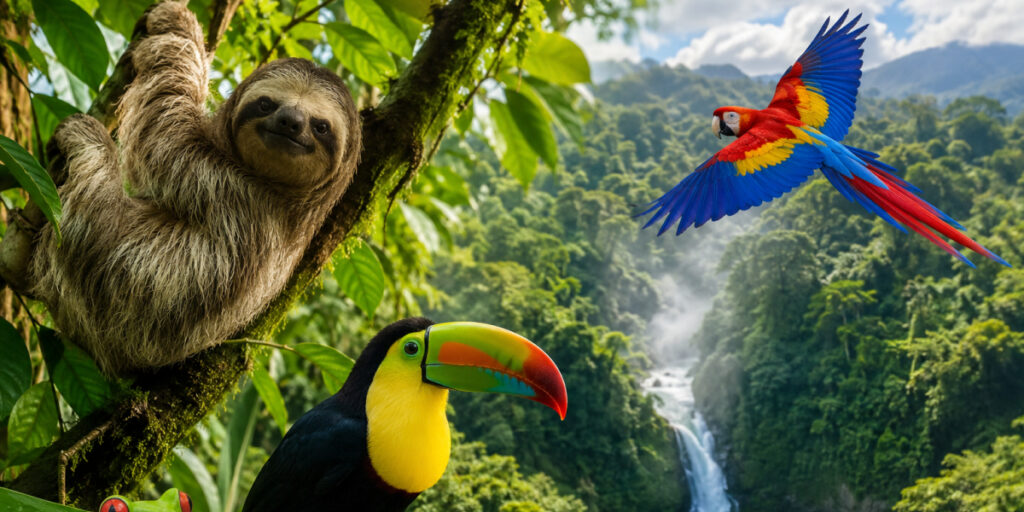
The wildlife here doesn’t hide. Sloths and howler monkeys hang around the treetops, toucans cut across the canopy, and the rainforest nights are a wall of frogs and insects. Corcovado National Park, out on the remote Osa Peninsula, was famously described by National Geographic as “the most biologically intense place on Earth.
7. The National Animal Is… a Deer
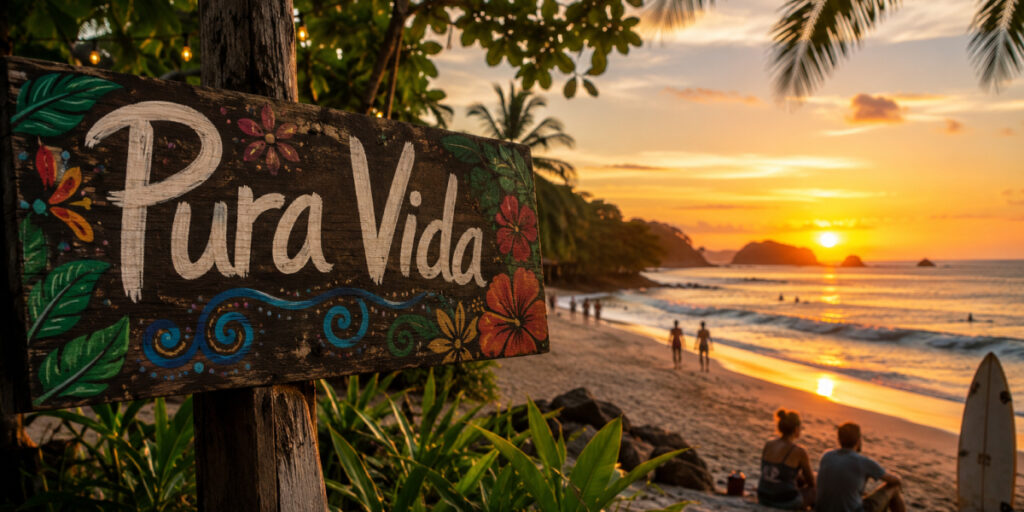
You’d put money on a sloth or a monkey. It’s the white-tailed deer Costa Rica’s national animal, and once featured on the 1,000-colón note. A small, telling detail: the country’s sense of itself is tied to the whole landscape, not just the postcard creatures.
8. It Runs on Green Electricity
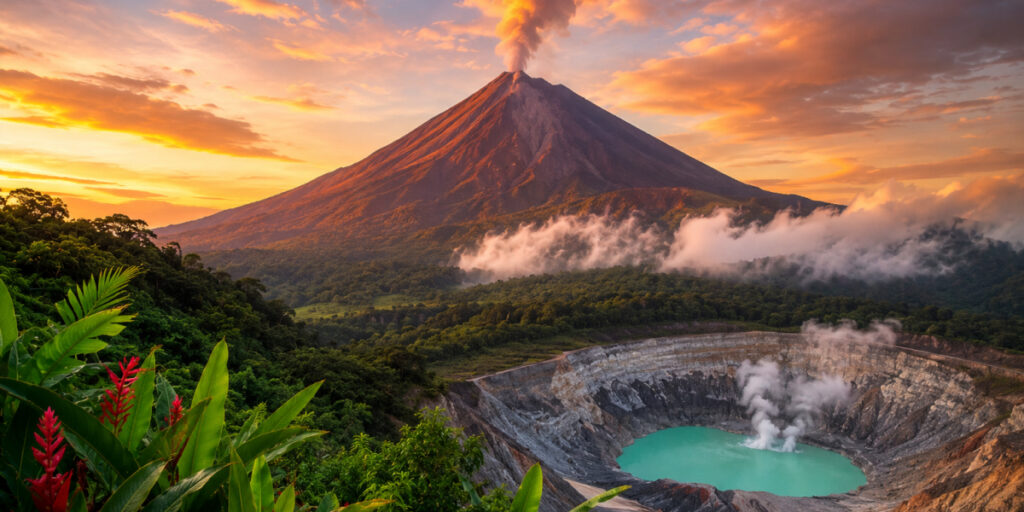
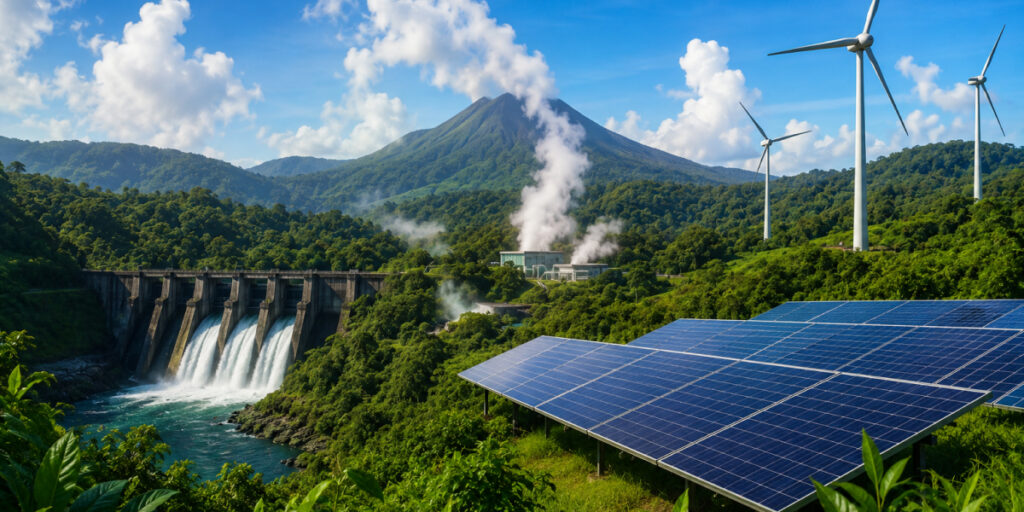
Costa Rica generates the overwhelming majority of its electricity from renewables hydropower, geothermal, wind, and solar running at or near 100% clean for long stretches in recent years. It’s a genuine world leader on that front, and the same fertile volcanic ground that powers the grid also feeds the forests and the famous coffee.
9. One Region Is a Longevity “Blue Zone”
The Nicoya Peninsula is one of just five “Blue Zones” on the planet pockets where people reliably live longer, healthier lives. Researchers pin it on a plain diet built around corn, beans, and squash, tight-knit community, daily physical work, and a genuinely light outlook on life. Call it the pura vida philosophy, backed by data.
10. Pura Vida Is a Way of Life
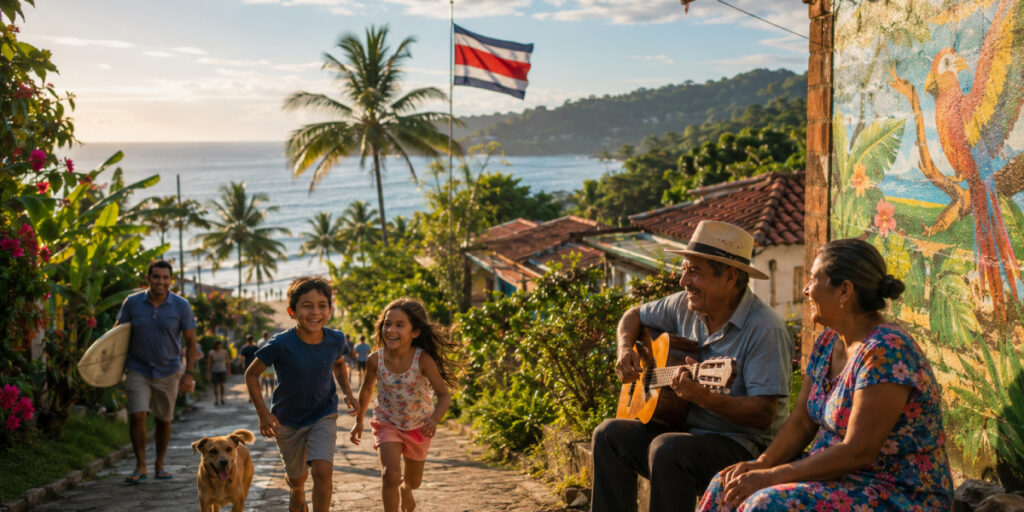
Pura vida “pure life” is Costa Rica’s unofficial motto, and you’ll hear it a dozen times a day: hello, goodbye, “I’m good, thanks,” “no worries,” all rolled into two words. It sums up the national temperament neatly enough: relaxed, grateful, in no particular hurry. Say it back and you’ll usually get a grin.
11. It Sits on the Ring of Fire
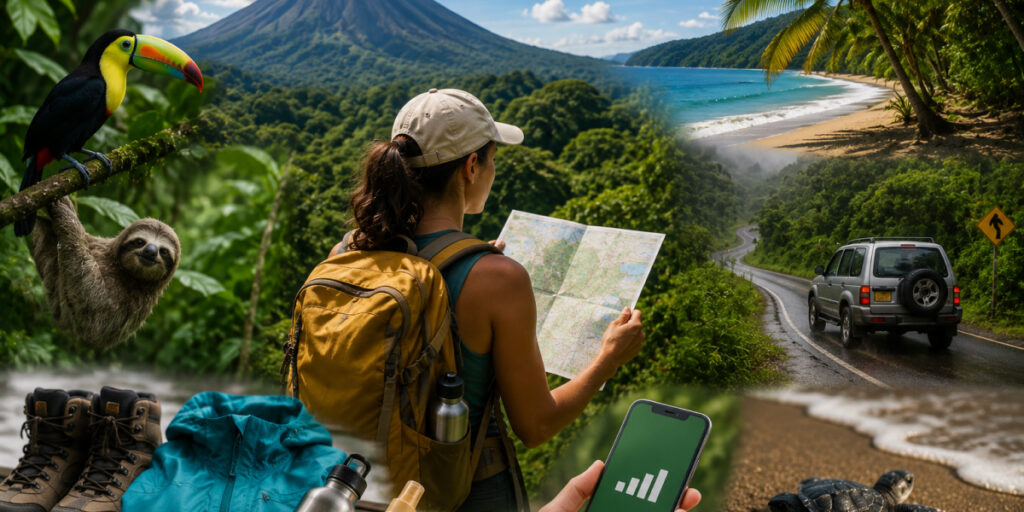
Costa Rica lies along the Pacific “Ring of Fire,” with more than a hundred volcanic formations and several still active Arenal and Poás among them. Some just breathe steam; others hold glowing craters or vivid mineral lakes. They’re among the country’s biggest draws, and that same volcanic soil is a big part of why the coffee’s so good.
12. Five of the World’s Seven Sea Turtles Nest Here
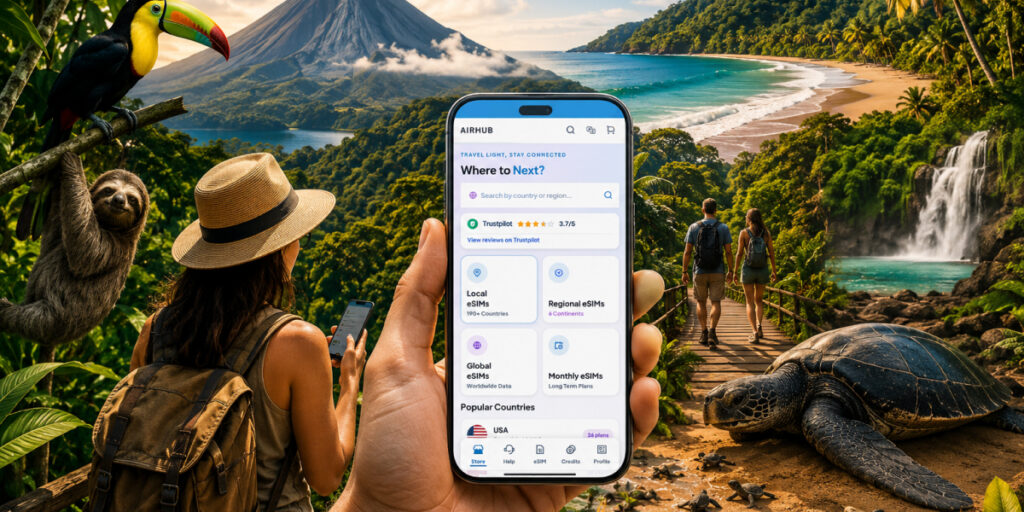
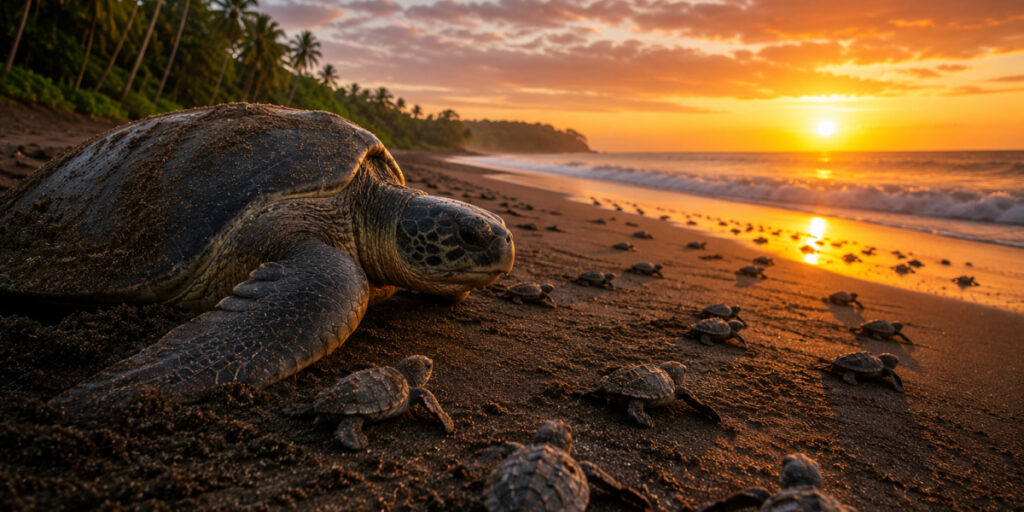
Costa Rica’s beaches host five of the world’s seven sea turtle species, from hulking leatherbacks to green and olive ridley turtles. On the right beach in the right season, you can watch one drag herself ashore to nest under the dark; weeks on, the hatchlings make their scramble to the water at first light. It’s one of the most moving things you’ll see in nature anywhere and the dividend of decades of conservation.
Tips for First-Time Visitors
A few things worth sorting before you land:
- Pack for all four seasons in a day. The climate is tropical, so count on rain even in the “dry” season a waterproof jacket, sunscreen, insect repellent, and sturdy walking shoes cover most of it.
- Stay connected — it matters more here than most places. Because so many addresses are landmarks rather than street names, you’ll lean on GPS constantly. A prepaid Costa Rica eSIM gets you online the moment you land set it up before you fly, scan the QR code, and pull down offline maps for the drives between towns where signal thins out.
- Drive slowly. Roads turn winding and slick fast, especially in the mountains and the rain belt up and pad your travel times.
- Learn a few words. ¡Pura vida!, ¡hola!, buenos días, and gracias carry you a long way.
- Respect the wild. Stick to the trails, never feed or touch the animals, and leave the shells and plants where they are.
Staying Connected in Costa Rica
Because you’ll be navigating by landmarks and driving out to far-flung parks, reliable data isn’t a nice-to-have here it’s part of the trip. A travel eSIM is the least fussy way to handle it: install a Costa Rica plan before you go and it activates the moment you land, no shop queue and no roaming bill. New to eSIMs? Here’s how to install one and a quick device compatibility check. Off to Spain next? Our interesting facts about Spain guide is worth a look too.
Frequently Asked Questions
1. Why does Costa Rica have no army?
It abolished its military in 1948 after a civil war and redirected the funds into education, healthcare, and conservation a move widely credited with making it one of the most stable, peaceful countries in the region.
2. What does “Pura Vida” mean?
Literally “pure life.” Costa Ricans use it as a greeting, a goodbye, and an expression of gratitude it captures a relaxed, appreciative way of looking at things.
3. Does Costa Rica really border two oceans?
Yes the Pacific to the west and the Caribbean to the east, with the country narrow enough to cross by car in a matter of hours.
4. What wildlife can I see in Costa Rica?
Sloths, howler monkeys, toucans, and on the beaches in season nesting sea turtles, five of the world’s seven species among them.
5. Is Costa Rica really one of the happiest countries?
It sits near the top of global happiness surveys year after year and placed 6th in the 2025 World Happiness Report credited to its peaceful society, strong social services, and pura vida culture.
6. Why do Costa Rican addresses use landmarks instead of street names?
Many towns simply never adopted formal street naming, so directions run off reference points (“100 m south of the school”). It’s exactly why a phone with data and offline maps earns its keep here.
Leave a Reply