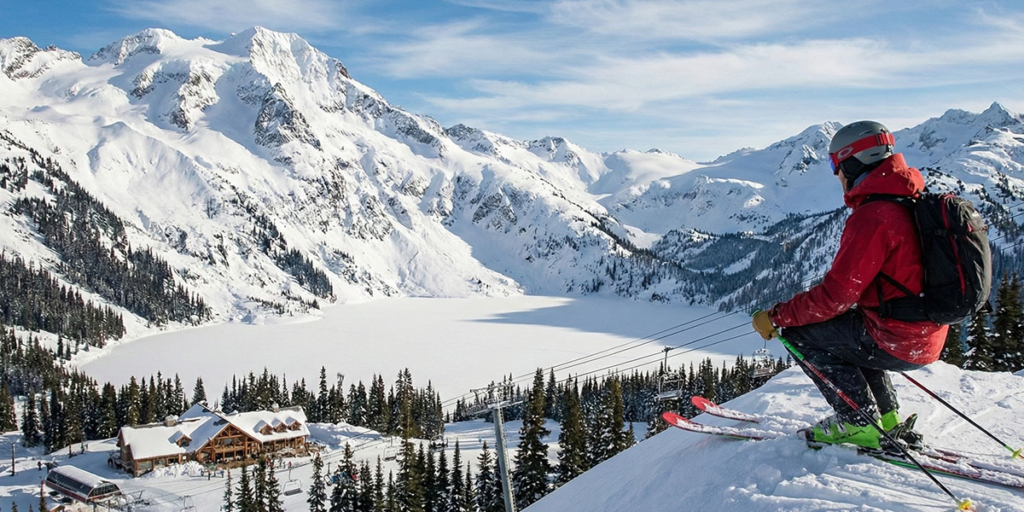
Skiing in British Columbia is a unique experience. From large mountains covered in deep snow to luxury resorts, it is the dream vacation for millions of travelers. For those who crave adventure, skiing in British Columbia means chasing deep powder across BC ski resorts that span from coast to interior. In this guide, we will discover some of the best resorts in British Columbia for skiing and what facilities they have to offer you.
- Why is Skiing in British Columbia World-Famous?
- What are the Different Types of Ski Resorts in British Columbia?
- What are the Best Ski Resorts in British Columbia for Different Types of Skiers?
- What are the Popular British Columbia Ski Areas You Should Know About?
- What Are Ski Hills in British Columbia?
- Pros and Cons of Ski Hills vs Resorts
- Who Should Choose British Columbia Ski Hills?
- What is the Best Time to Visit Ski Resorts in British Columbia?
- How to Plan Your Ski Trip to British Columbia?
- Skiing in British Columbia Compared to Other Canadian Destinations
- Staying Connected While Skiing in British Columbia
- Plan Your Best Skiing in British Columbia
- FAQs
Why is Skiing in British Columbia World-Famous?
Skiing in British Columbia has many strong reasons to be famous. British Columbia’s geography is a key advantage. The province hosts about 10 mountain ranges, from the Rocky Mountains in the east to the Coast Mountains along the Pacific. This geography means extreme variation; ocean-driven storms dump moisture on the coast, while interior ranges stay colder and drier. The result is consistent heavy snowfall province-wide. British Columbia location also means long ski seasons.
It’s no surprise that powder snow and long seasons are British Columbia calling card. It gets prodigious snowfall that makes runs stay light and fluffy, and the snow season stretches from around early November through late April or beyond in many spots.
Another one of British Columbia strengths is variety. Whatever your ability, there’s a suitable resort. Many destination resorts have dedicated beginner areas, ski schools, and gentle cruisers. Intermediate skiers find paradise in British Columbia, too. Resorts like Big White and Sun Peaks are loaded with long blue runs. Expert skiers and riders are spoiled. Whistler Blackcomb alone has bowls, chutes, and 200+ marked black runs.
What are the Different Types of Ski Resorts in British Columbia?

British Columbia has dozens of ski areas. The estimates are around 38 mountain British Columbia ski resorts in the province. If you count the smaller hills (often run by towns or clubs), the total approaches 39 or more British Columbia ski resorts. These British Columbia ski spots fall into a few categories:
- Destination Resorts: These are large, multi-mountain resorts with extensive amenities. Think Whistler Blackcomb, Sun Peaks, SilverStar, and Panorama, with hundreds of trails, towns with lodging, dining, ski schools, etc.
- Regional Ski Areas: Medium-sized mountains that draw from a nearby city or region. Examples include Red Mountain (Rossland), Big White, and Fernie. They offer a full resort experience on a slightly smaller scale.
- Local Ski Hills: Smaller community-run areas (often municipal or club-run) with one or a few lifts. Examples are Cypress Mountain, Grouse Mountain, Mount Washington (Vancouver Island), and smaller Kimberley (which bridges local/family size). These hills may have fewer amenities and shorter runs, but they’re cheap and convenient.
- Family-Friendly Ski Areas: Overlapping categories, these places (Big White, Sun Peaks, Apex, etc.) focus on kids’ parks and gentle terrain. Sun Peaks, Cypress, Big White, Grouse, Sasquatch (formerly Hemlock), and Kimberley as top picks for families.
What are the Best Ski Resorts in British Columbia for Different Types of Skiers?

If you are planning travel, make sure to scrutinize the best ski resorts in British Columbia based on your skill level:
- Beginners: Beginners usually want easy slopes, ski schools, and accessible terrain. In British Columbia, that often means smaller or family-focused resorts. Grouse Mountain and Cypress Mountain (both near Vancouver) are classic choices for first-timers; they’re city-accessible with gentle green runs and good instructors.
- Intermediate Skiers: Intermediate skiers love long blue cruisers and consistent conditions. British Columbia has plenty of those. Sun Peaks and Big White both offer dozens of groomed blue runs across their mountains. Sun Peaks is nearly 50% intermediate terrain, and Big White is about 54% intermediate.
- Advanced & Expert Skiers: Advanced skiers will find challenges at nearly any British Columbia destination resort. Whistler Blackcomb has legendary verticals (3,400 ft) and nearly unlimited off-piste. Revelstoke and Kicking Horse are known for their steep, big-mountain terrain.
- Family-Friendly Ski Resorts: Skiing with kids or a big family means looking for ski schools, kids’ programs, and gentle terrain. Several British Columbia resorts excel at this. Sun Peaks (near Kamloops) is repeatedly praised for families; it has a cute village and a lot of green/blue terrain. Big White is another; over half its runs are beginner/intermediate, and it has kid-friendly zones and many ski-in/ski-out accommodations.
What are the Popular British Columbia Ski Areas You Should Know About?

As there are many British Columbia ski areas, sort out the best one for you according to their popularity:
- Major Destination Ski Areas: These are the big names that draw international attention. Whistler Blackcomb (Whistler) tops the list, North America’s largest resort with 8,100 skiable acres, a pedestrian village, and year-round tourism. Other destination resorts include Sun Peaks (BC’s second-largest, 4,270 acres on 3 peaks), Red Mountain (known for its old-school vibe and longevity), SilverStar, Fernie, Kicking Horse, Big White, Panorama, and Revelstoke.
- Regional and Local British Columbia Ski Areas: Beyond the giants, British Columbia has numerous regional areas beloved by locals. For example, Cypress Mountain, Mount Seymour, and Grouse Mountain serve Vancouver metro skiers (close to town, easy day trips).
- Hidden Gem Ski Areas in British Columbia: Some great British Columbia ski experiences come from lesser-known spots. Purden Ski Village (east of Prince George) is one; it’s actually the largest hill in central British Columbia with 1,100 ft of vertical and 25 runs, known for dry powder and empty slopes. Other gems include Powder King (near Prince George), famed for deep north-coast powder and almost no lift lines, and Manning Park Resort (near Hope) with tree skiing.
What Are Ski Hills in British Columbia?
In British Columbia vernacular, a “ski hill” usually refers to a smaller, local ski area, as opposed to a massive destination ski resort. Ski hills often have just a handful of lifts and limited terrain (sometimes only a few hundred vertical feet). They tend to be community-owned or volunteer-operated. Cypress Mountain is an example of a Vancouver-area ski hill in British Columbia: it’s city-operated with fewer lifts than a mega-resort, but it still gets plenty of snow. Many British Columbia locals learn on hills like this.
Pros and Cons of Ski Hills vs Resorts

Ski hills in British Columbia have a few clear advantages: lower cost and smaller crowds. Lift tickets at a hill like Grouse or Mount Timothy (Kamloops) may be a fraction of Whistler’s price. You can often drive up the mountain and avoid tolls or shuttles. The downside is limited terrain, you’ll run out of new runs quicker, and fewer amenities (usually no on-mountain hotels or shopping). Big resorts offer vast trail networks, high-speed lifts, and a full village experience (restaurants, gear shops, nightlife). But they also draw bigger crowds (and lift lines on weekends) and higher prices on everything from food to lessons.
Who Should Choose British Columbia Ski Hills?

Ski hills are perfect for beginners, families, and budget-minded skiers. If you’re learning to ski, a local hill’s short runs and easy slopes are less intimidating than a huge mountain. They’re also great for one-day trips; locals frequently hit Cypress or Grouse for a quick afternoon.
What is the Best Time to Visit Ski Resorts in British Columbia?
The best time to visit ski resorts in British Columbia depends on different factors:
- Early Season vs Peak Season: You can go during the early season (November/December). Snow is less guaranteed, but it is less pricey. If you choose to go in peak Season (January–March), this is when snow is most reliable and plentiful across British Columbia. Expect huge storms in December and January, and firm snow in mid-winter.
- Best Months for Powder Skiing in British Columbia: Generally, January and February are considered peak powder months, especially in the interior Rockies and Coast Mountains. January tends to see big Pacific storms on the coast and cold, dry systems inland. February often continues deep powder accumulation. December can also deliver big dumps (especially around Whistler and Vancouver Island).
- Spring Skiing in British Columbia: March and April bring longer days, sunshine, and usually softer snow. It’s a favorite time for many who like “Corn snow” skiing. Most big resorts stay open through March (some until late April if snow is ample).
How to Plan Your Ski Trip to British Columbia?
Planning your ski trip to British Columbia is not tough if you know the right steps:
- Getting to British Columbia Ski Resorts: Most visitors fly into a gateway city and drive or take shuttles. For Coast resorts, the Vancouver International Airport (YVR) is the main hub; from there, Whistler is ~2 hours north on the Sea-to-Sky Highway. For the Interior, options include Kelowna Airport (for Big White, SilverStar ~1h away) and Calgary Airport (for Fernie, Kicking Horse ~3–4h drive via the British Columbia Rockies).
- Accommodation Options Near Ski Resorts: Options are plentiful. Destination resorts like Whistler Blackcomb and Big White feature large ski-in/ski-out hotels and condos right in the village. Others have cozy lodges or on-mountain inns (like Purcell Lodge at Panorama). You’ll also find off-mountain hotels or motels in nearby towns (e.g., hotels in Rossland for Red Mountain, or in Revelstoke town).
- Budget Tips for Skiing in British Columbia: Skiing in British Columbia can be affordable with planning. Lift tickets: Look for multi-day passes or ski club discounts. Many resorts offer early-bird lift ticket sales in summer that save money. Gear: Rent on-site as needed; renting at mountain shops can be pricier than off-site rentals, but it saves travel time. Off-peak travel: Visit in January or late February (avoiding holiday and Spring Break weeks) to find better deals on packages.
Skiing in British Columbia Compared to Other Canadian Destinations

Compared to Eastern Canada (Ontario/Quebec), skiing in BC is dramatically different. BC’s mountains are far taller: the biggest verticals in BC are 1.7 kilometers (Revelstoke) vs under 800 m in Quebec. British Columbia also receives far more snow, tens of feet per season, whereas Eastern resorts depend heavily on machine-made snow and often have shorter seasons. BC offers expansive terrain and deep powder, whereas the East offers convenience to city dwellers and typically mellower mountains. If you want the best skiing experience in eastern Canada, you can explore snow skiing in Montreal, Canada.
Staying Connected While Skiing in British Columbia
In the digital age, staying connected on the slopes is more than just a luxury; it’s a safety tool. Having a reliable internet or phone connection lets you check weather updates and avalanche reports, navigate mountain apps, and stay in touch with your group. Many resorts now have Wi-Fi in lodges, and cell coverage has expanded, but it can still be spotty on remote lifts or backcountry. For international visitors or those without local service, it’s better to buy a prepaid eSIM. An eSIM lets you buy a Canadian data plan instantly on your phone (no need to swap physical SIM cards). Airhub offers prepaid eSIM Canada plans with ample data for travel. This means you can use Google Maps, avalanche apps, and emergency calls in Canada without enormous roaming fees.
Plan Your Best Skiing in British Columbia
British Columbia ski resorts offer an experience worth trying once in a lifetime. Its large mountains and world-class facilities help you have the best vacation. British Columbia ski resorts are known to accommodate every type of skier, from beginners to experts. You can even bring your family for skiing in British Columbia, as you will find the facilities accommodating all. If you have finalized your ski vacation in British Columbia, do not forget to book your eSIM Canada on Airhub and stay connected throughout your trip.
FAQs
1. How many ski resorts are in British Columbia?
There are roughly 38 built-up ski resorts in British Columbia. Counting in smaller local ski areas bumps the total to around 39. BC covers around 6 mountain regions.
2. What is the best ski resort in British Columbia?
The best ski resort for you depends on your skiing skills and budget. For example, on an average people recognize Whistler Blackcomb as the top skiing resort in Canada, but it could be a bit pricey, so budget travelers might go with others like Big White and Sun Peaks.
3. Is skiing in British Columbia expensive?
Skiing in British Columbia can get very expensive if you don’t plan properly. Many resorts charge premium prices for lift tickets, so it’s better to research before going. Also, implement simple tips like going in the shoulder season for budget control.
4. When is the best time to ski in British Columbia?
The time between December to February is the best for skiing in British Columbia. You will get abundant snow during this time.
5. Are British Columbia ski resorts good for beginners?
British Columbia ski resorts are beginner-friendly. You can research for gentle terrain and ski schools before booking a resort for better options.
6. What is the difference between ski hills and ski resorts in British Columbia?
The ski resort contains world-class facilities connected to a large mountain that offers travelers every amenity and skiing opportunities. A ski hill is just a small facility with a few lifts and runs.
Leave a Reply