One of the coolest things about new technologies is how they’re changing our user experiences. From being able to make, purchases right out of our phone with a credit card to having access to any information on demand by using only an app–we are experiencing some pretty incredible changes in this field!
One downside? The risk for data breaches and unauthorized device usage has gone up too; something worth thinking about as we use these amazing tools that were once unheard-of just ten years ago or less than two decades ago.
The cat and mouse game between hackers, law enforcement agents, prosecuting attorneys general offices – all vying for supremacy in this field- is constantly at odds. But it’s not just about protection; there are many other considerations to take into account when securing personal information like malware prevention or credit card numbers that protect against identity theft.
The far too common occurrence where sensitive data leaks through our phones make us aware of what can happen if security measures aren’t put into place properly.
Technology is changing at a rapid pace, and when this happens to the mobile industry, it can mean huge changes in our security. Today we’re going to take a look at how SIM cards could be used and compromised through various forms of security breaches. We’ll specifically talk about eSIMs, which are new in the game but offer some great protection against hackers!
You may think that an eSIM makes you invulnerable to a cyber breach or attack, but the truth is it won’t protect against all types of attacks. Here’s what to watch out for and how not to get hacked!
What is SIM-Jacking and how does it work?

There is a new type of hack called SIM-jacking that can compromise your phone, and give hackers access to personal data, location information as well as messages. Hackers lure you with fake texts directing you towards malicious links that open up browser windows on their computer, allowing instructions to be passed back through the network, giving them complete control over what happens next. As soon as any device connects to the Wi-Fi network, they have already stolen all our sensitive info!
This is a SIM exploit that rewrites your operating system’s instructions for the SIM. This means that it can be used on all types of devices – including Apple or Android phones! You should never open links from unknown sources as they will modify them to steal personal information like passwords/PINs, etc., which could later lead to identity theft. So stay safe by always verifying any web address before clicking on them.
First and foremost, be cautious of anyone claiming to represent:
- financial services
- credit fraud
- license numbers or license plate verification
- health information
- government agents
If you receive a text message like this, simply delete it.
SIM swapping’s dangers
The risks of SIM swapping are huge. If you’re not careful, your private data could be compromised and used for fraudulent purposes!
This technique requires the hacker to lie about who they are on online forums or social media platforms like Facebook etc. Having access to your data is bad enough, but now the thief has free reign of what you’re doing. They can pretend to be anyone they want and contact any contacts on their terms!
The only way for us not to get hacked? Be extra-cautious when it comes to online security – don’t ever assume that everything will stay protected forever; always hesitate before entering sensitive information like passwords or bank account numbers into websites where there’s no password protection whatsoever.
You should be aware of the types of places you’re inputting your sensitive data, like if a site has millions or more customers and how many users are on their network.
When Does SIM Cloning Take Place?
Hackers are always on the hunt for new ways to get into your personal life. They can either take over a person’s SIM card, clone it with another blank one, and pretend they’re you or someone else to access data that isn’t supposed to be accessible without permission – this is called “SIM Swapping”.
The biggest worry about any data breach is that you’ll never know. Keep a close eye on where and how often you’re leaving your SIM card, especially if it’s in a bag while traveling or somewhere near access points for hackers who might want to swipe it from afar without being detected themselves.
With a SIM card, you’ll need to take extra security precautions, such as:

Always be on guard! Hackers are looking for any vulnerability they can find, even if it means targeting your SIM card. Be mindful of where you store passwords and keep them separate from other sensitive data that may leak during an attack or theft incident because hackers could then use those accessed credentials to gain access not only device but also network resources such as email accounts with full inbox histories.
If you’re going to buy a SIM card while traveling, make sure it’s from an established company and not just any old store. If anything goes wrong with your purchase or there was ever an incident where hackers stole data about one of their customers they’ll have access to–you wouldn’t want this happening while abroad on vacation!
What an eSIM can do for you
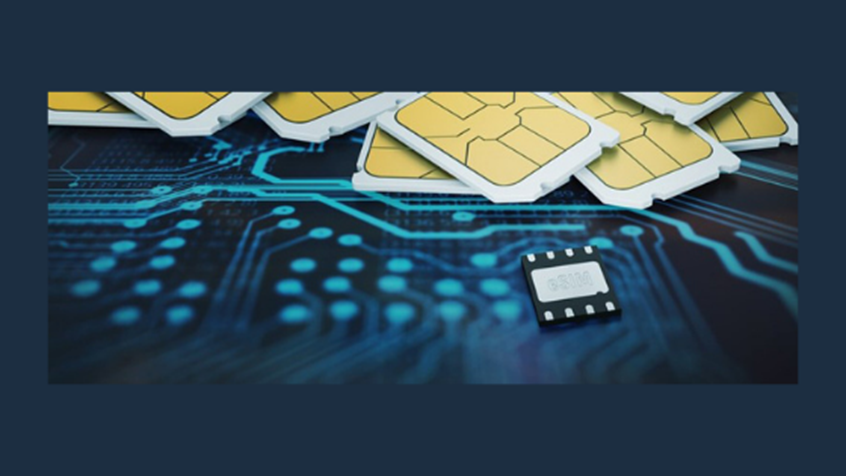
Airhub’s eSIMs provide advantages that can help mitigate and protect your phone from many forms of SIM fraud.
The most unique thing about the embedded card is you don’t have to swap out for another one when signing up, but instead download it directly on-board with no need at all for traditional plastic cards in slots or trays attached underneath screens – saving time!
An eSIM can assist you in the following ways:
Enabling you to buy a global eSIM data plan before you arrive at your destination.
Avoid third-party vendors who are shady & susceptible.
It’s time to make your voice heard! With a SIM or e-SIM, you need to be extra vigilant when it comes to contact with sensitive information.
Author- Steve Clark
Leave a Reply