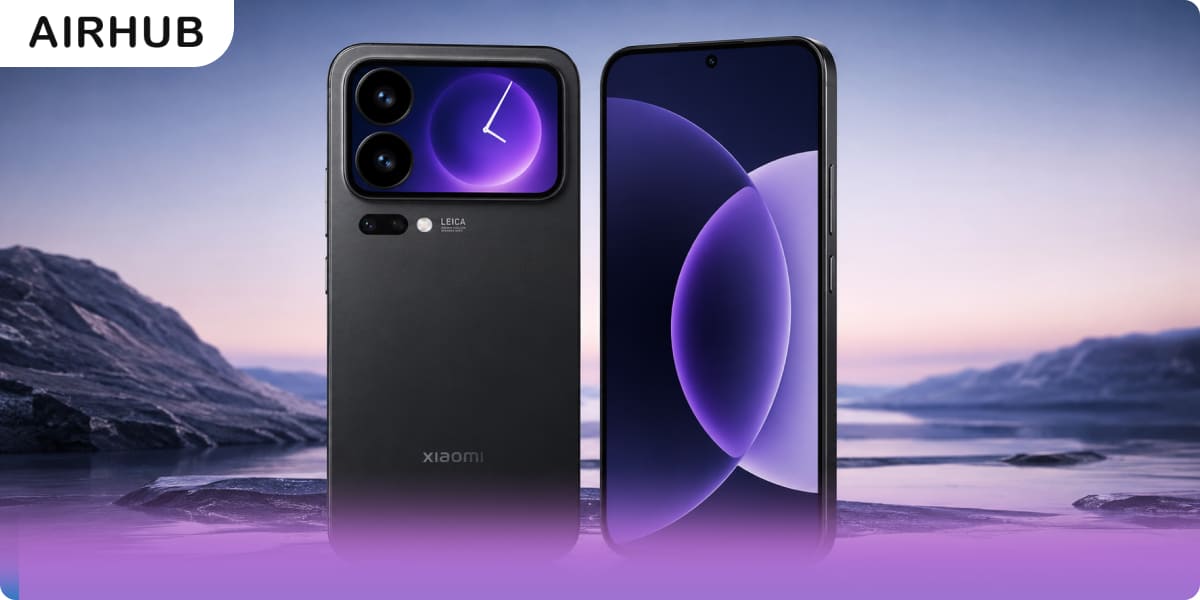
Xiaomi built one of the most capable Android phones of the past year, and then quietly decided you couldn’t have it.
The Xiaomi 17 series launched on 25 September 2025 with three phones — the Xiaomi 17, 17 Pro and 17 Pro Max. Part of that first wave travelled abroad; the Pro Max stayed put, and nearly a year on there’s still no sign that changes. No regulatory certification has surfaced for it outside mainland China, and certification is usually the first breadcrumb before a launch — when it never appears, the launch generally isn’t coming. (The 17 Ultra arrived later, in China in December 2025 and globally in March 2026, and the range has since sprawled to include the 17 Max, 17T and 17T Pro.) So if you want a Pro Max, what you’re really buying is an import running Chinese firmware.
That single fact reframes everything below it. A spec sheet reads differently once you know the phone was never engineered for your carrier’s bands or your region’s software — and it matters more still if you’re buying with travel in mind. So this covers the hardware and the real price spread, yes, but also the things an import buyer has to check first, and the question we get about this handset more than any other: will a travel eSIM actually work on one? The short answer, for the Chinese Pro Max, is probably not. Here’s the long one.
Availability: can you actually buy one?
Not from an official Xiaomi store outside China — no.
The Pro Max stayed home while other models in the range went abroad. Importers have shipped it worldwide since launch week, so it’s a real option rather than a theoretical one, but four things are worth settling before any money changes hands.
Band support is the one that bites hardest. Chinese-market phones don’t always carry the 4G and 5G bands your carrier runs on, and this is far and away the most common reason an imported flagship turns into a disappointment. Check the model’s supported bands against your network before you order — a band-checker like Kimovil compares your carrier’s bands against the exact model in a couple of minutes.
Then there’s firmware. Imported units run Chinese-market software. In practice the phone ships with English-language support, and plenty of resellers pre-install Google Mobile Services so it behaves well enough abroad — but HyperOS builds differ between the two markets, some Google-dependent features won’t work as expected, and the ROM is Chinese-and-English only.
Bootloader status is where people get caught out. You often can’t flash global firmware onto a Chinese-market Xiaomi at all. The unlock process runs through Xiaomi’s own servers and has only tightened over time, so assume the software you receive is the software you keep — unless your specific unit officially supports unlocking.
And warranty: an import generally carries none locally. Whatever goes wrong is your problem to ship back across
Does a travel eSIM work on the Xiaomi 17 Pro Max?
We get this one constantly, so here’s the straight answer instead of a hedge: the Chinese-market Xiaomi 17 Pro Max — which is the only version that exists — does not support standard eSIM. Chinese phones have historically shipped without it, and the 17 series was no exception at launch; China’s carriers only began rolling eSIM out to domestic handsets in early 2026, and even then selectively rather than all at once. Import a Pro Max specifically to run an AirHub or any other travel eSIM, and it very likely won’t install.
If the phone’s already in your hand, the check takes seconds. Dial *#06# and look for an EID number next to your IMEI — if it’s there, the device supports eSIM. Or open Settings → SIM cards & mobile networks and look for Add eSIM. No EID and no “Add eSIM” option means no eSIM, and no way to load a prepaid eSIM for your trip.
The blunt takeaway: if staying connected abroad is the reason you’re buying, the Pro Max is the wrong Xiaomi. Which one is right comes a little further down.
Full Specifications
| Spec | Xiaomi 17 Pro Max |
| Released | 25 September 2025 (China) |
| Display | 6.9-inch LTPO AMOLED, 1200 × 2608, 120Hz, HDR10+ / Dolby Vision, 3500 nits peak |
| Secondary display | 2.9-inch LTPO AMOLED, 120Hz, 596 × 976, on the rear camera island |
| Processor | Qualcomm Snapdragon 8 Elite Gen 5 (3nm) |
| RAM/Storage | 12GB / 16GB · 512GB / 1TB (UFS 4.1) |
| Battery & charging | 7500mAh · 100W wired, 50W wireless, reverse wireless |
| Rear cameras | 50MP main + 50MP ultra-wide + 50MP telephoto (5× optical), Leica-tuned |
| Front camera | 50MP |
| OS | Android 16 with HyperOS 3 |
| Build | Aluminium frame, glass front (Dragon Crystal Glass 3), fibreglass back |
| Water resistance | IP68 |
| Connectivity | 5G, Wi-Fi 7, dual SIM |
| eSIM | Not supported on the Chinese-market unit (the only version) |
| Dimensions / Weight | 162.9 × 77.6 × 8 mm · 219g |
| Availability | China only; import elsewhere |
Design and Display
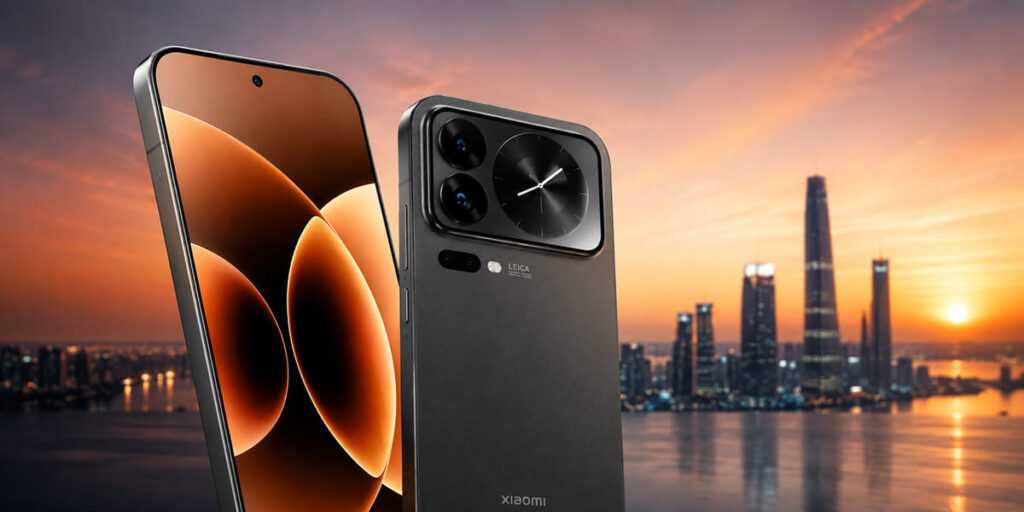
It’s a big phone and makes no apology for it: 6.9 inches across the front, 219 grams in the hand. Aluminium frame, Dragon Crystal Glass 3 up front, fibreglass round the back — and in build quality it holds its own against anything at the top of Apple’s or Samsung’s ranges.
The screen is the headline act. An LTPO AMOLED panel at 1200 × 2608, running up to 120Hz, peaking at 3500 nits — bright enough to stay legible in direct summer sun, which is a genuinely useful trait rather than a spec-sheet flex. The refresh rate scales down when the content on screen doesn’t need it, and that adaptive behaviour is quietly doing much of the work behind the battery life.
Then there’s the 2.9-inch second screen on the back, tucked into the camera island. It’s the design flourish that sets the Pro Max apart from the rest of the range — and, most likely, the reason it never left China. Features built for one market have a way of staying there.
Performance and Gaming

Qualcomm’s Snapdragon 8 Elite Gen 5 on a 3nm process, backed by 12GB or 16GB of RAM, chews through anything in the Play Store without complaint. The more interesting number is the pairing of a 7500mAh battery with 100W wired charging in a body just 8mm thick — most flagship rivals sit closer to 5000mAh, and a gap that size genuinely changes how the phone feels across a long day.
Good for gaming? Comfortably, on paper — Genshin Impact, Call of Duty Mobile and PUBG all run well on hardware in this class. The caveat worth keeping in mind is that sustained frame rates come down to thermal design far more than to the peak clock speed manufacturers like to put on the box.
Camera System
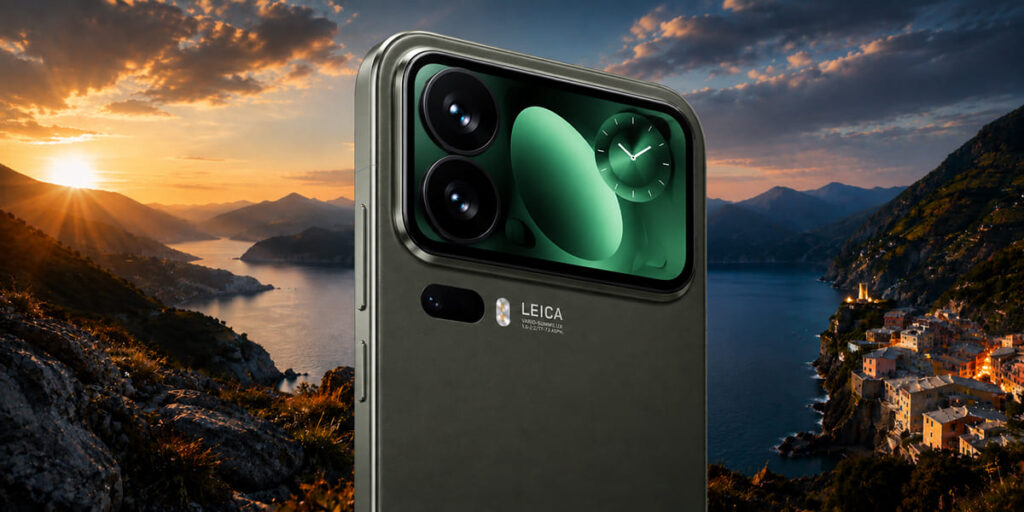
A 50MP Leica-tuned triple array — 50MP main, 50MP ultra-wide, and a 50MP telephoto with 5× optical zoom — plus a 50MP front camera. Xiaomi’s Leica partnership has run for several generations now, and it’s a real reason the company’s flagships sit among the better camera phones going: the colour science is distinctive rather than merely dialled up, which is a harder thing to engineer than it sounds. In independent testing the Pro Max lands among the stronger camera phones of its generation, carried especially by a very capable main sensor.
Price and Where to Buy
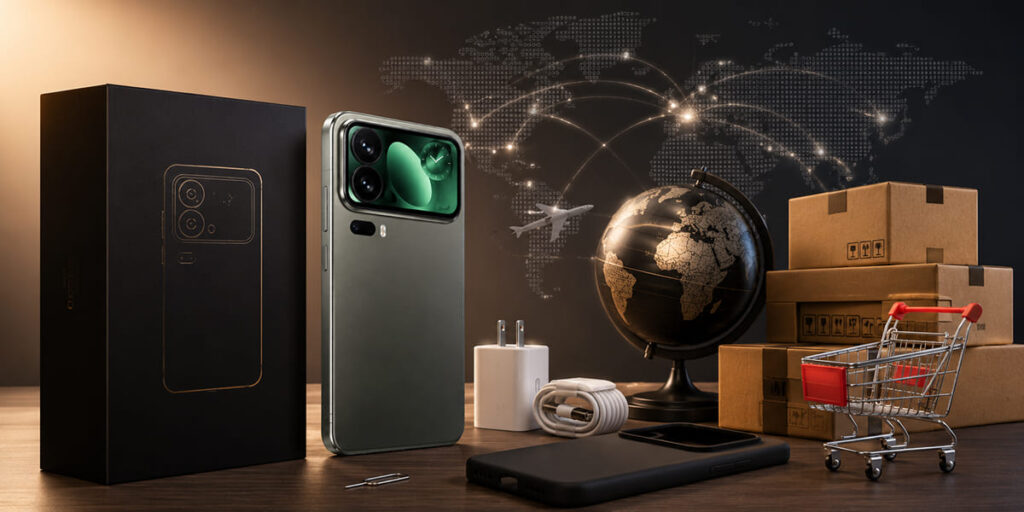
Import pricing is messier than pricing on a phone that launches normally, and the published figures are all over the place. They swing with the seller, the storage tier, import fees, and plain availability. Because the Pro Max has no official price outside China, treat every listing as an estimate and compare current prices from reputable sellers before you commit. Reported listings have started around $937 and climbed from there depending on configuration.
Within the series, the Pro Max sits at the top for both hardware and cost. The Ultra is the camera-led flagship — and, unlike the Pro Max, one Xiaomi actually sells you internationally.
How It Compares
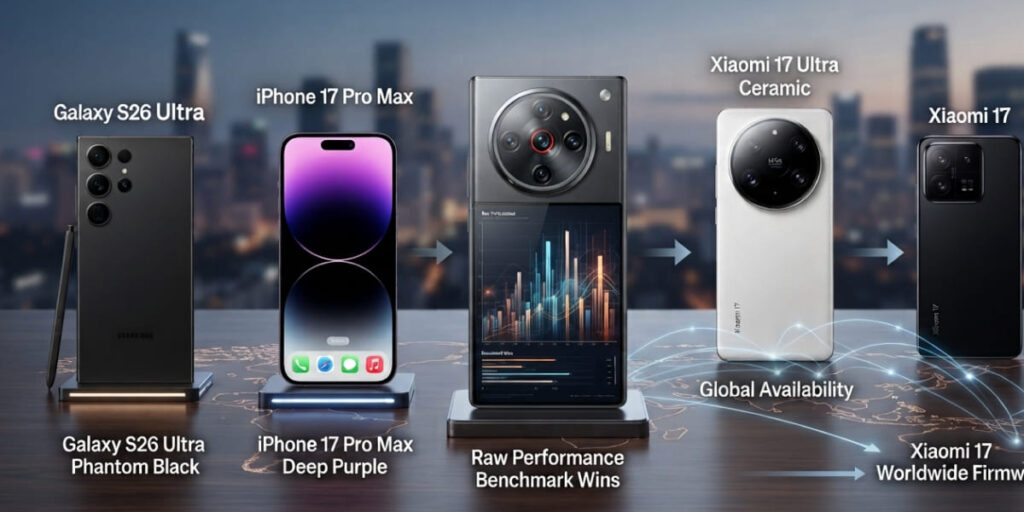
Against the iPhone 17 Pro Max and Galaxy S26 Ultra, the Pro Max competes hard on the raw numbers — battery and peak brightness especially — and usually undercuts both on price even after import costs land. Where it loses has nothing to do with the spec sheet. It’s availability, an official warranty, and software actually written for the market you live in.
Which Xiaomi 17 should a traveller buy?
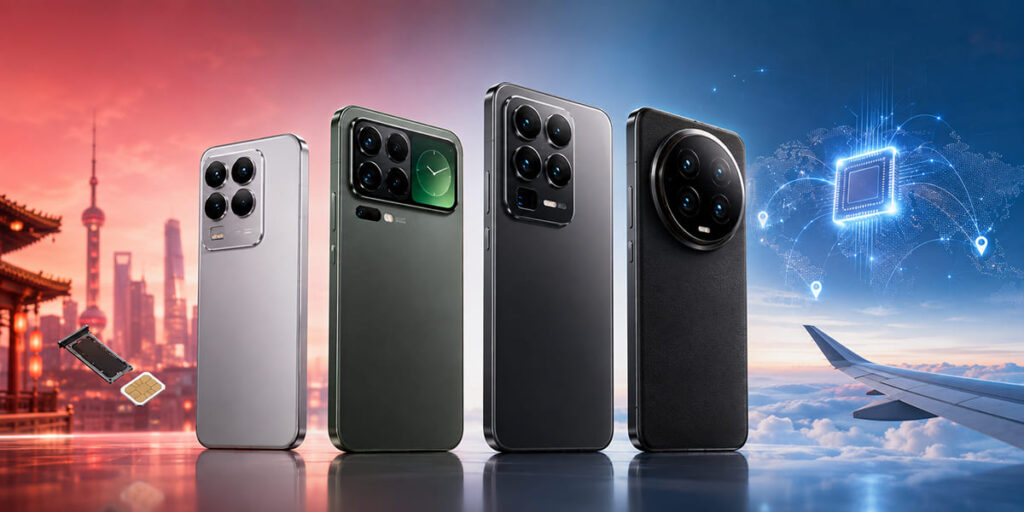
If reliable data abroad is the real goal, the model you choose matters far more than any line on the spec sheet.
| Model | Global Availability | Travel eSIM |
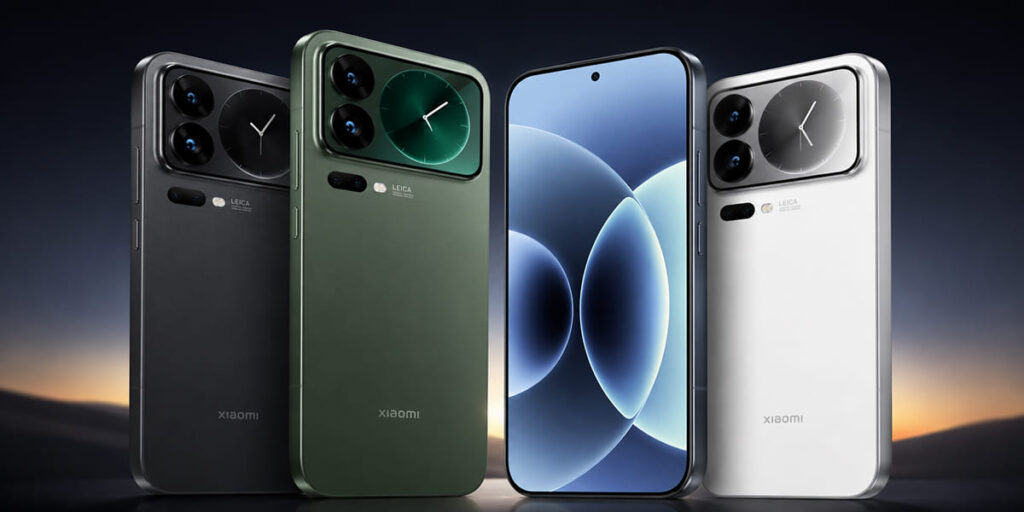
| Xiaomi 17 | Global version sold | Supported on the global model — verify your region |
| Xiaomi 17 Pro | China only | Not on the Chinese unit |
| Xiaomi 17 Pro Max | China only | Not on the Chinese unit |
| Xiaomi 17 Ultra | Global version sold | Supported on the global model — verify your region |
So the recommendation writes itself: if you’re buying a Xiaomi flagship to travel with, buy the globally released Xiaomi 17 or 17 Ultra, not an imported Pro Max. Don’t let a ~$300 saving on an import cost you the exact feature you bought the phone for. Our eSIM compatible devices list confirms which Xiaomi models are known to work — worth a look before you order any import.
Setting up an eSIM on a global Xiaomi
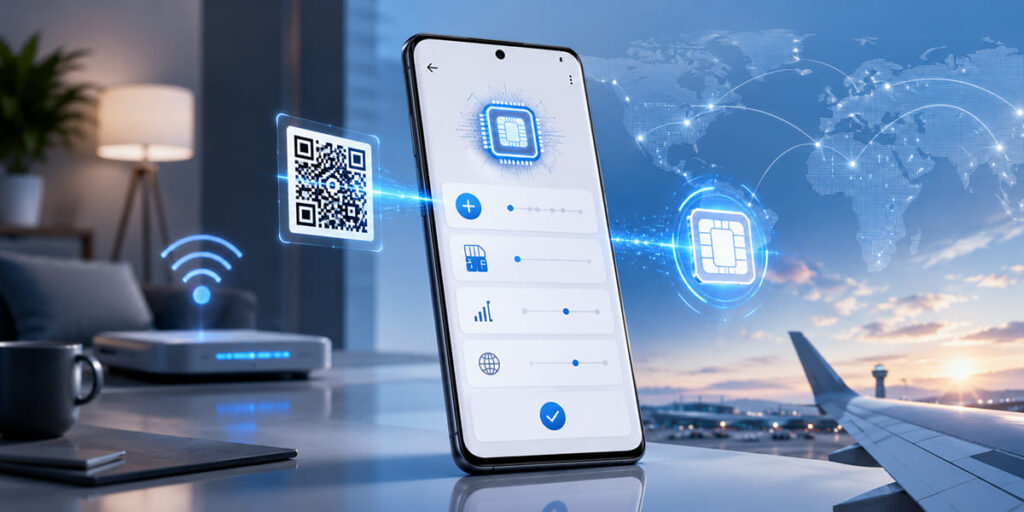
Assuming your device is confirmed eSIM-capable, installation is a few-minute job — and far calmer done at home on Wi-Fi than in an arrivals hall.
- Buy your plan; a QR code and instructions arrive by email.
- Open Settings → SIM cards & mobile networks → Add eSIM.
- Scan the QR code, or install straight through your provider’s app.
- Label the line by destination, so it still makes sense to you three months later.
- Set the eSIM as your data line, and switch Data Roaming on for that line only.
Our full walkthrough on how to install an eSIM covers the edge cases, including the QR code that stubbornly won’t scan. Crossing several countries in one trip? A Global eSIM plan covers multiple destinations on a single install, or you can browse esim plans country by country.
FAQs
1. Is the Xiaomi 17 Pro Max available outside China?
Not officially. The Pro Max is China-exclusive and reaches other markets only through importers. Other models in the 17 range — the base 17 and the 17 Ultra among them — did get global releases.
2. Does the Xiaomi 17 Pro Max support eSIM?
On the Chinese-market unit — the only one there is — no, not standard eSIM. Chinese phones have historically shipped without it, and China’s carrier rollout only began in early 2026. If you’ve got the phone, dial *#06#; an EID number means it supports eSIM.
3. What are the Xiaomi 17 Pro Max specs?
A 6.9-inch 120Hz LTPO AMOLED display (1200 × 2608, 3500 nits peak), Snapdragon 8 Elite Gen 5, 12/16GB RAM, 512GB/1TB storage, a 7500mAh battery with 100W wired charging, a triple 50MP Leica camera with 5× optical zoom, IP68, Wi-Fi 7, and Android 16 with HyperOS 3. It weighs 219g.
4. How much does the Xiaomi 17 Pro Max cost?
There’s no official price outside China. Import listings have started around $937 and risen with configuration and seller, so compare live listings before buying.
5. Is the Xiaomi 17 Pro Max good for gaming?
Yes — flagship Snapdragon 8 Elite Gen 5, up to 16GB of RAM, and a big 7500mAh battery mean demanding titles run well, with sustained performance coming down to thermals.
6. Is the Xiaomi 17 Pro Max a good camera phone?
It runs a triple 50MP Leica system with 5× optical zoom, and independent testing places it among the stronger camera phones of its generation.
7. Should I import a Xiaomi 17 Pro Max?
Only if you’ve checked your carrier’s bands against the model, made peace with Chinese firmware you probably can’t change, and accepted there’s no local warranty — and remember eSIM won’t be on the table. If travel connectivity is the priority, a global Xiaomi 17 or 17 Ultra is the safer buy.
8. Will my travel eSIM work on an imported Xiaomi?
Only if that specific unit supports eSIM — and the Chinese Pro Max doesn’t. A travel plan installs as an eSIM profile, so a phone without eSIM support simply can’t use one. Confirm compatibility before buying any plan.
9. Can I use an eSIM and a physical SIM together on a Xiaomi phone?
On Xiaomi models that support eSIM, yes — dual SIM lets you keep your home physical SIM live while a travel eSIM carries the data. But eSIM availability depends on the model and region, so check your device first.
Before You Buy
The Xiaomi 17 Pro Max is genuinely impressive hardware. It’s also a phone Xiaomi chose not to sell in your country, running software written for a different one — and, on the Chinese unit, without the eSIM support a traveller actually needs.
Want a Xiaomi flagship you can travel with and then stop thinking about? The globally released Xiaomi 17 or 17 Ultra is the sensible call. Confirm your handset supports eSIM, install a prepaid eSIM from Airhub before you fly, and you’ll land already connected.
Leave a Reply