The first thing we do when we get a new phone is set up a new SIM or move our old SIM.
This has always been a SIM card, but should it be this way?
An embedded sim card, or eSIM for short, is a new type of SIM card that is built into the phone itself. Unlike traditional plastic SIM cards, eSIMs are inside your device, not outside where you can change chips.
This is how it works. Are eSIMs good for the long run? SIM cards: Will we stop using them, or will we keep using them? We should.
To compare SIM cards and eSIM cards, we’re going to do a deep dive today.
First, let’s see what you think:
How are SIMs and eSIMs similar?
SIM cards and eSIMs are almost the same when it comes to how they work. It doesn’t matter how a subscriber ID module is made, because it does a few important things:
• Allow your device to get cellular data through mobile networks.
• Let you text and call.
• Make sure your device and the network you’re connected to be who they say they are.
It’s not just that SIM cards let you make and receive calls, but they also act as your “digital license plate” for your cell phone service.
It’s important to keep in mind that all SIM services have to check to see who is using them before they can use them. This is a unique number that was made by the SIM and the device itself.
Dual-SIMs and Multiple SIMS
Most phones and tablets now have built-in support for two SIM cards. This means that you can have your primary SIM line running while your secondary SIM line is on standby and ready to be used.
It’s still possible to name the other line with a label of your own.
For an eSIM, this would be like downloading a digital data plan to the embedded SIM. If you had a traditional SIM card, you would have to put the card in your device before you could use it. Neither works better than the other.
Traditional SIMs and embedded SIMs are very similar, but there are a few important differences between the two types of SIM cards.
Related: Yes, but is it worth it to switch to the new technology?
When we talk about SIMs and eSIMs, we’re going to talk about how they’re different in the long run. Specifics: What might happen in the long run and how might you deal with it?
Some of the short-term problems with eSIMs are also going to be looked at, as well as what’s going to be different in the near future.
First, let’s look at SIM cards:
Long-term problems with SIM cards going bad
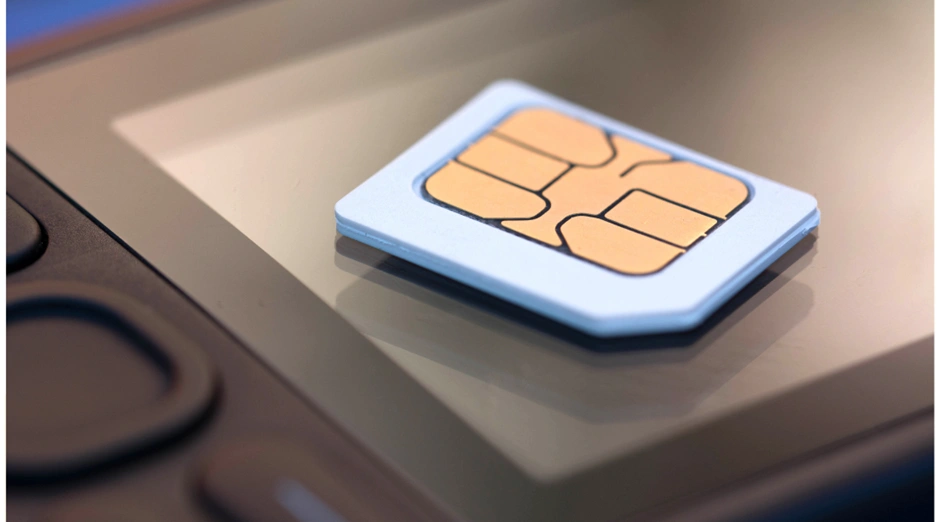
There is a big problem with a physical SIM card because it is a physical SIM card. There are exposed connectors on a physical SIM that will be moved from one device to another when it is switched out. There’s always a chance they’ll snap, bend, scratch, or break if they’re moved or stored incorrectly. There’s also a risk that the card will break down and stop working in the long-to-short term.
Problems with water damage
One of the most common ways a physical SIM will stop working is through corrosion or water damage. Simple things like an excess of water, spraying, splashing, or submerging may be enough to cause the physical SIM to stop working. Spillage accidents with corrosive or hot liquids also risk damaging SIM function if any leak into the SIM tray.
Problems with heat damage
In the long term, it’s important to note that excessive heat damage to the phone could cause damage to the pins on the card. This could be as simple as leaving your phone near a heating vent, on a window ledge, or on a patio table with exposure to the sun.
There could be manufacturer issues as well, Any card that is shipped or delivered has a risk of being damaged or malfunctioning. (Just a few things to keep in mind).
How can I tell if my SIM card has gone bad?
If you suspect your SIM is running into connectivity problems, troubleshoot by testing these areas:
- Does my phone still have a connection to my local network or data service?
- Am I receiving text messages immediately after being sent or is there a delay?
- Can I make phone calls?
- Can I receive phone calls?
- Is my phone trying to switch providers or connect to new networks?
If you’re still unsure, you can always remove the physical SIM from your phone and check for any pin corrosion or damage to the shaping.
eSIM Pros
Damage resistant
- Since the eSIMs are built directly into the phone, the risk of external damage or card tampering is virtually zero. Wherever your device goes, your eSIM goes.
More secure
- Your personal information is also better protected against hacking and tampering, as bypassing phone protocols is much harder. Even if an unwanted third party gains access to your eSIM, that same eSIM will not be readable in any tray. If you’re ever concerned, you can delete an eSIM plan that is finished, making the information unretrievable.
Multiple digital options at once
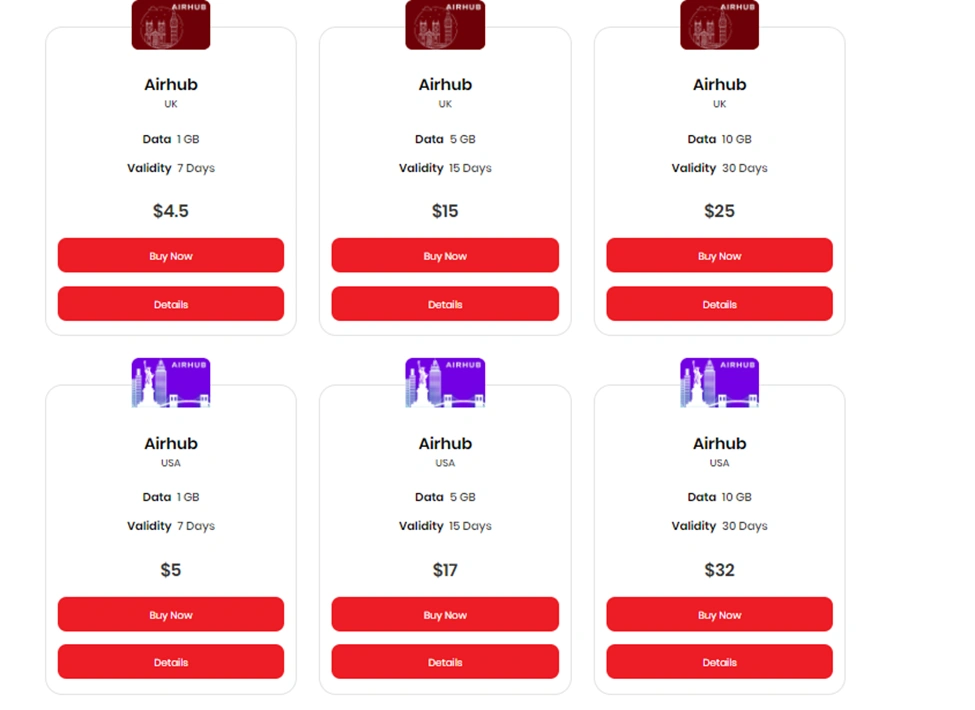
• If your phone can support eSIM, you’ll be able to download more than one eSIM at a time. This means that you could download a French Data Plan. You could also download an American Data Plan or a Japanese Data Plan, and have instant access when you go to those places.
Avoid roaming charges
- You won’t be charged with expensive roaming costs ever again. Pre-paid eSIM cards have a set amount of data on them, which means once it’s done, you’ll need to reload or buy a new card. No more coming home to an outlandish bill.
Quick and transparent
- They’re instant. From the comfort of your home, you could download a plan, manually or with a QR-Code, and within minutes have access to eSIM data plans.
- The rates are market-competitive. For a comparable price, you could download and have a data plan ready to go without ever having to find a local vendor.
eSIM Short-Term Cons
Newer Tech
- Currently, the biggest downside to using eSIM is that only recent phone models are eSIM capable. While more models are added month over month, older phone users will only have access to traditional SIMs.
Data Only
- Most eSIM options only support mobile data packs and do not offer direct calling service or texting. While there are workarounds like using internet-based messaging and calling services, to make and receive calls, this is a major hindrance for some users making the switch to eSIM.
eSIM supported phones and devices
If you’re interested in whether your device supports eSIM or not, there are a couple of quick ways to find out:
- The easiest way is to consult our list of eSIM capable devices here . While this list is constantly being updated, your device may or may not be listed.
- Make sure your phone is network and carrier unlocked.
- If your device isn’t listed, you can consult your device’s IMEI number to see if your phone supports an eSIM card. You can tap settings and search for “IMEI” and look for “digital SIM card”.
Future-Proofing with eSIM (5G and contactless
data plans)
It’s also worth noting that eSIMs have the built-in functionality to connect 4G and 5G networks.
Similar to 5G, the future seems to suggest that eSIM technology will take over as the ideal way to communicate.
It’s a simple reality of tech, digital always surpasses analog. Conventional mediums for enjoying TV shows, films, and music have all been replaced by your phone.
It’s only a matter of time when it comes to the SIM tray. SIM is the future.
Leave a Reply