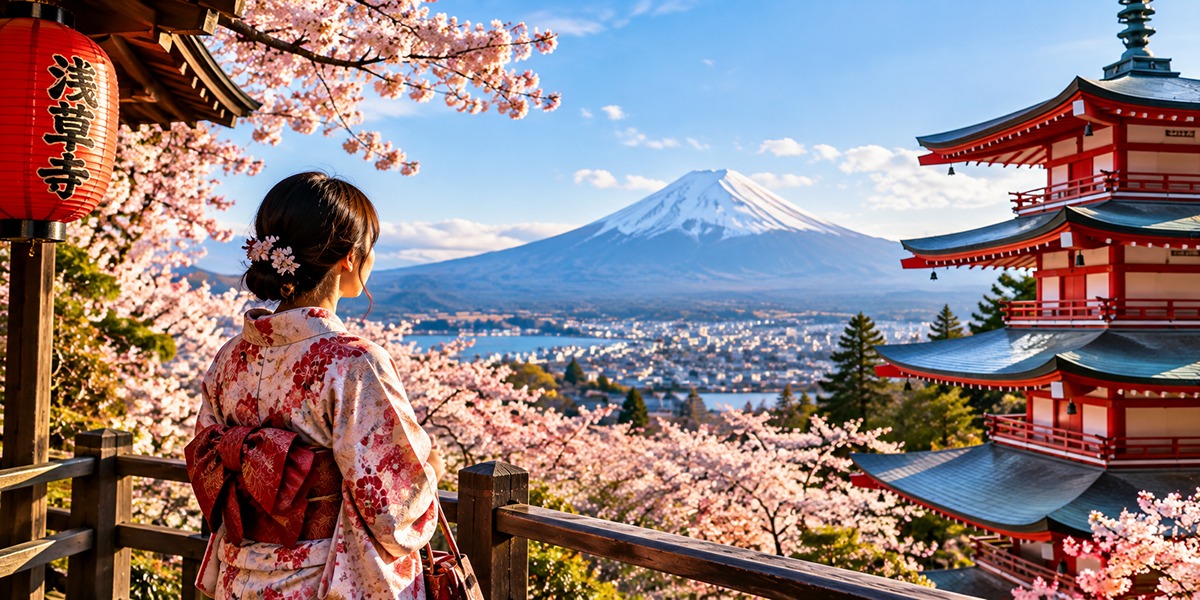
Japan’s reputation for rigid social rules puts off more first-time visitors than it should. So let’s start with the part the guidebooks bury: nobody expects you to get it all right. You’re a guest, and locals read effort far more generously than they judge slip-ups a small bow, a quiet train carriage, shoes off at the door, and you’re already most of the way there.
A handful of customs do carry real weight, though, and knowing them is the difference between an awkward pause and a smooth exchange. This guide runs through Japan etiquette by situation dining, transport, temples, money, bathing so you can skim to whatever you’re about to face. And here’s the shortcut that makes almost all of it click: nearly every rule traces back to a single idea don’t be a nuisance to the people around you. Once you see that thread, you can reason your way through the ones this guide doesn’t cover.
Quick do’s and don’ts in Japan
| Do | Don’t |
| Bow or nod when greeting and thanking | Tip it can confuse or embarrass staff |
| Keep your voice down on trains and in public | Take phone calls on the train |
| Take your shoes off where required | Stick chopsticks upright in rice |
| Queue and wait your turn | Eat while walking in busy areas |
| Carry cash (Japan still leans on it) | Hand money directly use the tray |
| Slurp your noodles (it’s fine, even welcome) | Pass food chopstick-to-chopstick |
| Carry your rubbish until you find a bin | Harass geisha or the Nara deer for photos |
Greetings and everyday manners
Greetings lean on the bow rather than a handshake or hug. When you’re introduced, a respectful nod of the head does the job; if someone offers a hand, shake it a small bow alongside is a nice touch. Learn two words and you’ll cover most situations: “sumimasen” (excuse me / sorry, and to get someone’s attention) and “arigatō” (thank you). And keep your voice down in public Japan runs quieter than most countries, and volume is the fastest way to stand out.
Dining etiquette
Japanese table manners are simpler than they look, but a couple of chopstick rules matter:
- Don’t stand chopsticks upright in a bowl of rice. It mirrors an offering made at a Japanese funeral, so it reads as unlucky at the table. Rest them on the chopstick holder instead.
- Don’t pass food directly from your chopsticks to someone else’s that also echoes a funeral rite (the passing of bones). If you’re sharing, put the food on a plate.
- Say the phrases. “Itadakimasu” before you eat and “gochisōsama” when you finish are small courtesies that land well.
- Slurping is fine. Slurping noodles like ramen or soba is normal and even signals you’re enjoying it — no need to eat silently.
- Don’t eat while walking in crowded areas; step aside to a counter, bench, or a spot near the stall instead.
On public transport
Trains are where well-meaning visitors trip up most, mostly because the norms run stricter than almost anywhere else a phone call that’s unremarkable in London or New York can turn a whole carriage’s heads in Tokyo:
- Keep quiet. Conversations stay low, and phone calls are a no set your phone to silent (“manner mode”).
- Leave priority seats for the elderly, pregnant travelers, and people with disabilities unless the carriage is empty.
- Mind the escalator side. People stand on one side and leave the other clear for walking left in Tokyo, right in Osaka. Watch what locals do and follow suit.
- Queue properly. Line up at the marked spots on the platform and let passengers off before you board.
Temples and shrines
Sacred sites are welcoming to visitors, but a little care shows respect:
- Purify at the fountain (chōzuya) near the entrance if there’s one rinse your hands, and traditionally your mouth, before approaching.
- A small bow at the torii gate as you enter a shrine is a nice gesture.
- Take your shoes off where indicated (temple halls, tatami areas).
- Dress modestly covered shoulders and knees are appreciated at religious sites.
- Don’t block entrances for photos or treat sacred spaces like a backdrop; step aside if someone is praying.
Money and manners
- No tipping. Service is included, and offering extra can genuinely confuse or embarrass staff. A smile and “arigatō” is the right thank-you.
- Use the tray. At shops and restaurants, place your cash or card on the small tray by the register rather than handing it over directly.
- Carry cash. Japan is more card-friendly than it used to be, but cash still rules in smaller shops, temples, and rural areas an IC card like Suica or PASMO also makes transport painless.
- Business cards get two hands. If someone gives you a meishi, receive it with both hands, take a moment to look at it, and don’t stuff it in your back pocket.
Onsen and bathing
Public baths (onsen) have their own etiquette, and it’s mostly about cleanliness:
- Wash and rinse thoroughly at the shower stations before getting in the shared bath.
- No swimwear — bathing is done nude, at gender-segregated facilities.
- Keep your small towel out of the water (many people rest it on their head).
- Tattoos can be an issue. Some onsen still prohibit them; look for tattoo-friendly baths, book a private bath, or use a cover patch for smaller ones, and check the policy first.
Trash and the clean-streets rule
Here’s the paradox that catches everyone out: Japan’s streets are spotless, yet public bins are genuinely hard to find. The reason is cultural people simply carry their rubbish home rather than expect a bin to appear. Do the same: hang onto it until you hit a convenience store or train station, then sort it, because recycling is taken seriously. A small bag in your day pack quietly solves the whole problem.
Stay polite and connected
Good manners are easier when you’re prepared, and a lot of etiquette in the moment comes down to your phone: translating a menu, pulling up the right polite phrase, checking which way to stand on the escalator, or finding your hotel without blocking a busy pavement. A travel eSIM means you’re online the second you land, no hunting for Wi-Fi or swapping SIM cards. Airhub Japan eSIM plans install with a quick QR scan check your phone supports eSIM first, and here’s how to install it. Keep your home SIM in for calls; run maps and translation on the eSIM data.
The bottom line
None of this is a test you can fail. Japanese etiquette is really just consideration made into habit a set of small agreements that keep crowded places pleasant for everyone. Bow a little, stay quiet on the train, slip your shoes off when asked, carry your trash, and you’ll blend in far more easily than you feared. And on the rare occasion you get something wrong, the effort itself is usually met with warmth. Pack a little politeness alongside the eSIM, and enjoy the trip.
FAQs
1. What are the most important etiquette rules in Japan?
Bow or nod when greeting, keep quiet in public and on trains, take your shoes off where required, queue patiently, don’t tip, and mind your chopsticks (never upright in rice). Most of it comes down to not inconveniencing the people around you.
2. Is it rude to tip in Japan?
Yes tipping isn’t customary and can make staff uncomfortable, since good service is expected and included. A genuine “arigatō” is the right thank-you.
3. Can you eat while walking in Japan?
It’s generally frowned upon in busy areas. Step aside and eat at a counter, bench, or near the stall, then hold onto your rubbish until you find a bin.
4. Do you slurp noodles in Japan?
Yes slurping ramen, soba, or udon is perfectly acceptable and even signals you’re enjoying the meal. It doesn’t extend to rice or soup, which are eaten quietly.
5. What are the chopstick rules in Japan?
Don’t stand chopsticks upright in rice or pass food chopstick-to-chopstick both echo funeral rituals. Rest them on the holder when not in use, and don’t point or gesture with them.
6. Can I visit an onsen with tattoos?
Sometimes. Many onsen still restrict tattoos, so look for tattoo-friendly baths, book a private one, or use a cover patch for small tattoos and check each facility’s policy first.
7. How can I stay connected and prepared in Japan?
Set up a travel eSIM before you go so you have instant data for maps, translation, and polite phrases on arrival. AirHub makes it easy to buy and install a Japan plan in minutes.
Leave a Reply